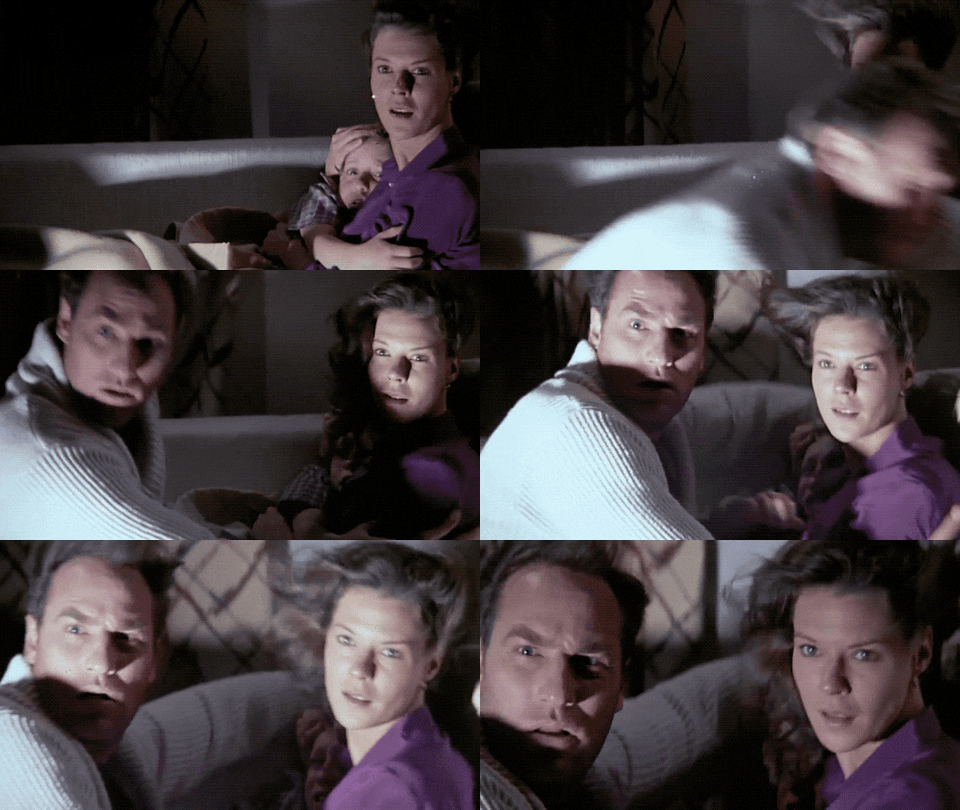
What Would Diane Freeling Do?
/For me, probably the hardest part of a magic presentation is reacting to something I’m supposedly not responsible for. What I mean is, if I’m doing a Spectator as Magician plot, or I’m demonstrating some “strange object” I found, it’s difficult for me to respond in a way that’s congruent with that premise. It’s so much easier to perform in a magician-centric style. Something impossible happens, you give a slightly smug nod and a wink. “Pretty cool, huh?” Your job is done.
I’m not an actor and have no real skill in that area. And I would guess reacting with genuine awe, amazement, or confusion is one of the more difficult things for an actor to do. You usually just end up with something like this.

But I’m trying to get better at it.
If someone separates the deck into red and black, purely on instinct, and your response is, “Hey, good job,” you’ve made it so easy for them to completely dismiss it as “just a trick.”
But if you can show genuine confusion and shock—maybe you suggest they cheated somehow—and finally you just express amazement, then you’re going to have them really chewing on what the nature of the experience was.
In an attempt to get better at expressing amazement, I remembered a technique a podcaster once talked about. He said he watched stand-up comedy before every social situation he put himself in. He said it put him in the right mindset and boosted his energy.
I thought maybe I could try something similar, but with awe and amazement rather than humor. I’m not great at producing those reactions on demand. But maybe I could borrow the energy of someone who is.
One of my childhood crushes was JoBeth Williams in Poltergeist.
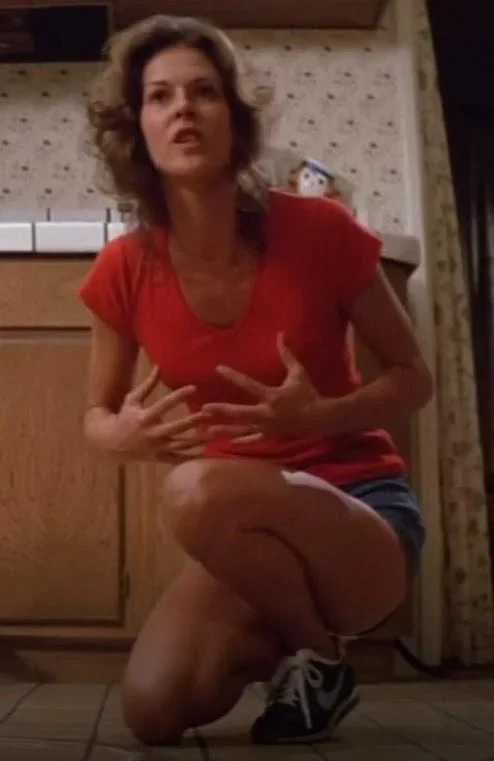
In early scenes in Poltergeist, she finds the house is doing some strange things. JoBeth’s reaction, as Diane Freeling, isn’t fear at this point. She goes from confusion to wonder to awe. By the time her husband returns from work, she’s almost drunk with delight.
A month ago, I watched this clip a few times, paying special attention to JoBeth’s performance as she encountered these unusual things. I decided to try running that scene in my head before showing people tricks, borrowing whichever part of her performance fit the situation. Her initial confusion turning to amazement when something strange first happens. The way she tries to calm her husband into a state where he might be willing to appreciate what he’s about to see at 2:30 in that clip. Or her joy when the weird thing actually “works.”
I’m not a naturally ebullient 33-year-old woman, so it’s not like I’m completely mimicking her. But it’s her energy filtered through my own.
Believe it or not, this has been wildly effective for me. My reactions are starting to better match the story I’m asking people to go along with. When someone separates a deck into red and black, or matches up ESP symbols, I’m having a far easier time seeming as amazed as I should be. When an “old ritual” actually works, I’m appropriately incredulous. When an object we’re focusing on across the room moves on its own, I’m as thrilled as the situation warrants.
It feels a little odd to me, because in real life I’m not someone who has big reactions to things that are strange or unusual. I’m almost pathologically even-keeled regardless of what happens. So it was hard for me to play certain emotions because they just don’t register with me much in real life. But by letting myself channel a character, I’ve found it much easier to access those reactions. And when I treat what happened as something worth being amazed by, the people I perform for seem much more willing to do the same.